At the Sustainable Business Consortium, we support practical, scalable solutions that help organisations cut emissions today while building a clear path to net zero. That’s why we are proud to co-author the new Industry Statement on Low-Carbon Fuels (LCF), developed in collaboration with Logistics UK, the Renewable Transport Fuel Association and Zemo Partnership.
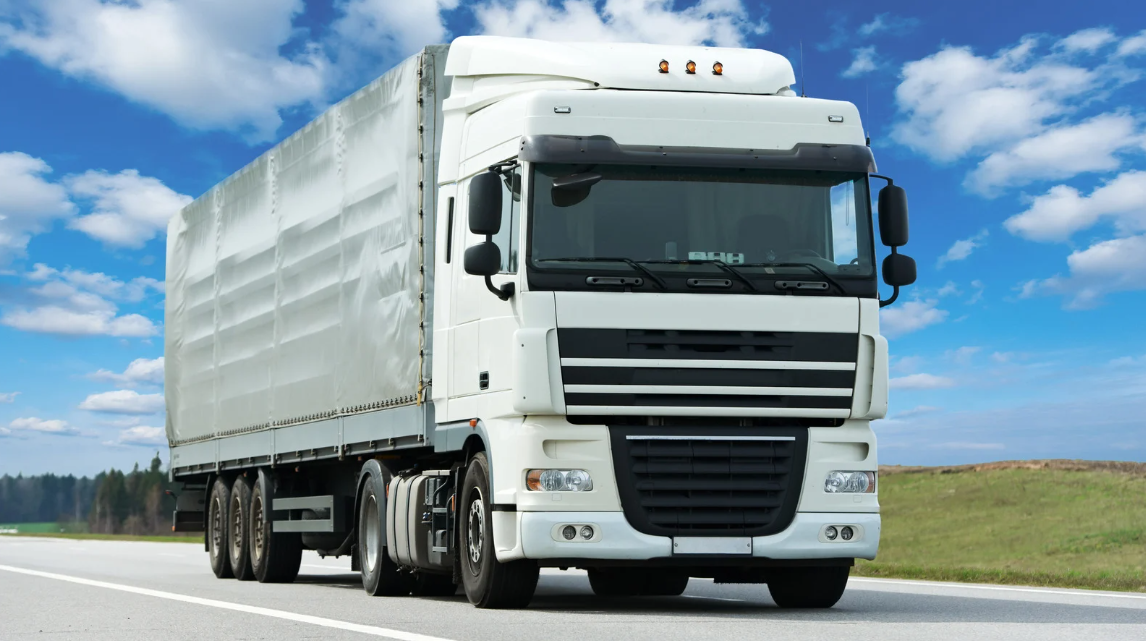
The challenge of decarbonising heavy goods vehicles is significant. While battery-electric HGVs are a vital long-term solution, the sector is not yet in a place where full adoption is commercially viable for most operators. High vehicle costs, reduced payloads, and the pace of necessary grid upgrades all present real barriers.
Low-carbon fuels provide a pragmatic, immediate way for logistics businesses to cut emissions now. Options such as biomethane, renewable diesel (HVO), and high-blend biodiesel are already available, cost-effective, and operationally proven — making them an essential bridge on the road to zero-emission transport.
But for these fuels to deliver their full potential, the industry needs long-term, technology-neutral policy support and clear incentives that recognise the critical role they play.
As a consortium committed to supporting large organisations in their sustainability journey, we believe this is a moment for practical leadership. Backing low-carbon fuels is not about slowing down electrification — it’s about enabling faster, more credible progress toward net zero.